Community First Development acknowledge the Traditional Custodians of Country throughout Australia and recognise their continuing connections to land, waters, and cultures. We pay our respects to their Elders past and present.
Aboriginal and Torres Strait Islander peoples should be aware that this publication may contain the names and images of people who have passed away.
Annual Impact Statement 2025–2026
Communities lead change
We back the aspirations of First Peoples through community-led solutions
This report was designed as an interactive desktop presentation. Below is a simplified version for mobile.
Community First Development acknowledge the Traditional Custodians of Country throughout Australia and recognise their continuing connections to land, waters, and cultures. We pay our respects to their Elders past and present.
Aboriginal and Torres Strait Islander peoples should be aware that this publication may contain the names and images of people who have passed away.
Reflections
Board chair reflection
“Strengthening Aboriginal-led governance from board to management, and community level whilst supporting self-determination and community-based enterprises has been a defining focus for us this year.”
When I think about Community First Development, I think first about people and relationships. I think about the many conversations held around tables, in community spaces and on Country. I think about the stories people share when they know they are being heard properly.
I have been connected with this organisation a long time, and what has always stayed with me is the strength that is already there in community.
Our role is not to come in with all the answers. Our role is to listen, to respect local knowledge, and to walk alongside people as they set their own priorities and build the futures they choose for themselves.
This year, I have seen that strength in many ways — in Aboriginal-led governance, in community-based enterprise, in young people stepping forward, and in families and communities building on culture as their foundation. Culture is what holds this work together. It gives people identity, direction and strength.
A moment that will stay with me was from one of our 25-year anniversary celebrations. The rain was coming down heavily, but our partners still came, stayed and listened. To me, that said so much.
It showed the trust and belief people have in this work, and it reminded me that when we share stories of community-led change, people do listen and we are thankful to those who supported this celebration.
We also carried that message onto other stages, including Women Deliver in Naarm (Melbourne) and through our continuing global partnerships. These opportunities matter because they show that Aboriginal-led knowledge has something important to offer the world.
At the same time, we know there are challenges ahead. Funding is still uncertain, especially here in Australia, and we need to keep telling our story clearly. No-one else works quite the way Community First Development does.
Lasting change takes time, trust and community leadership, and we must keep helping others understand why that matters.
Our work remains grounded in a strong commitment to self-determination and community control, reflected in the growth of community-based enterprises supported through our enterprise development efforts. We have placed greater emphasis on cultural wellbeing as the foundation for lasting community development and are proud of our strength in strategic and business planning, both internally and alongside communities.
I want to thank our staff, volunteers, partners, donors and supporters for standing with us in this work. I acknowledge Stan Kalinko, John Jeffery and Aunty Anne Martin for their deeply valued service to the Board, and I warmly welcome our new Board members, Desmond Campbell and Kyle Mathieson.
I also thank our outgoing CEO, Steph Harvey, for her leadership, dedication and care. As we look ahead, we do so grounded in culture, guided by community and committed to walking alongside people as they lead their own way forward.
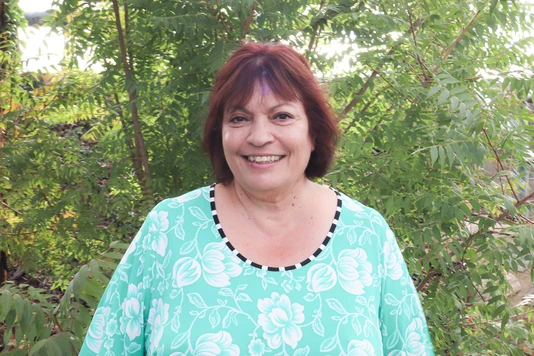
Karen Milward, AM (Yorta Yorta) Board Chair Community First Development
CEO reflection
As I reflect on the year, I am immensely proud of the people who make this work possible. I have the privilege of leading a terrific team of dedicated, smart and resourceful people who are committed to ensuring community voices are always centred in our work.
We have the right people in the right roles, guided by the right values, to walk alongside communities and support their aspirations. Every day, our team listens first, builds trust and backs community leadership, and that is what makes Community First Development unique.
Our strength has always been our people and our cultures. As an Aboriginal organisation, we remain firmly focused on community-led development, supporting community identified priorities, and solutions, and driving change grounded in culture, knowledges, relationships and self-determination. When communities lead, outcomes are stronger, more sustainable and more meaningful.
This year marks an exciting step forward as Community First Development joins the growing movement for Indigenous-led grantmaking in Australia. For us, this is not a departure from our work, but a natural extension of it.
For more than 26 years, we have seen the impact that comes when communities have the resources, agency and support to shape their own futures.
Indigenous-led funds strengthen that approach by placing decision-making and access to capital and funding closer to community and ensuring investments align with community-defined priorities.
I believe Indigenous-led funds are a critical bridge between communities and mainstream philanthropy. They challenge traditional funding models that too often determine priorities from the outside and instead recognise Aboriginal and Torres Strait Islander peoples as the experts in our own lives and communities.
Our lived experiences, relationships and proximity to community position us to ensure funding reaches where it can create the greatest impact.
My call to action is simple: Invest in building trust and relationships. We are people, not projects. Stand with us in backing the aspirations, knowledge and solutions that already exist within First Nations’ communities.
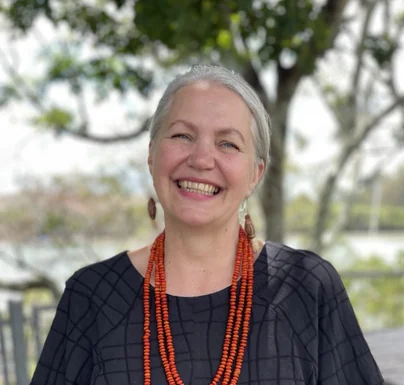
Stephanie Harvey (Bidjara) Chief Executive Officer Community First Development
2026 Year in Review
220Communities engaged
230Projects
638Project indicators
81geographic locations
4,306volunteer hours
The numbers in detail
220 Communities engaged
We are privileged to work closely with strong and innovative First Nations’ communities across Australia. We define a community as a social group which shares a common culture, background and location, often structured as a community organisation or community-minded business. This year we engaged with 220 communities, including 93 new community relationships. As our work begins only at the invitation of communities, this growth demonstrates the trust First Nations communities place in our community-led approach and the increasing demand for our support.
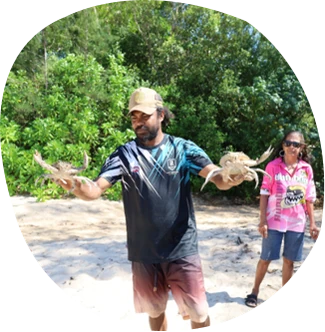
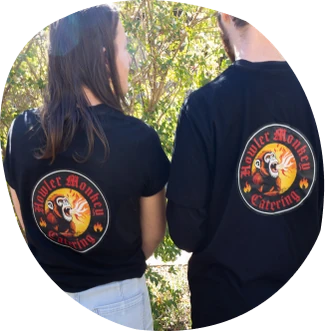
Steven Stassi and Thomasina Assan crab hunting at MilikpitiCheck out these deadly new t-shirts for the Howler Monkey Catering team!
230 Projects engaged
Projects are designed and delivered in partnership with communities, directly assisting each community to move confidently towards a broad range of goals. In FY26, 69 projects were completed with a majority of these relating to Stronger Governance and Stronger Economic Outcomes.
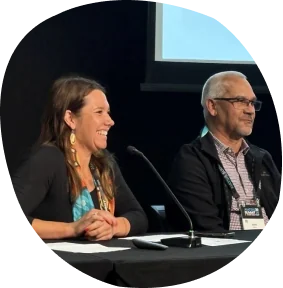
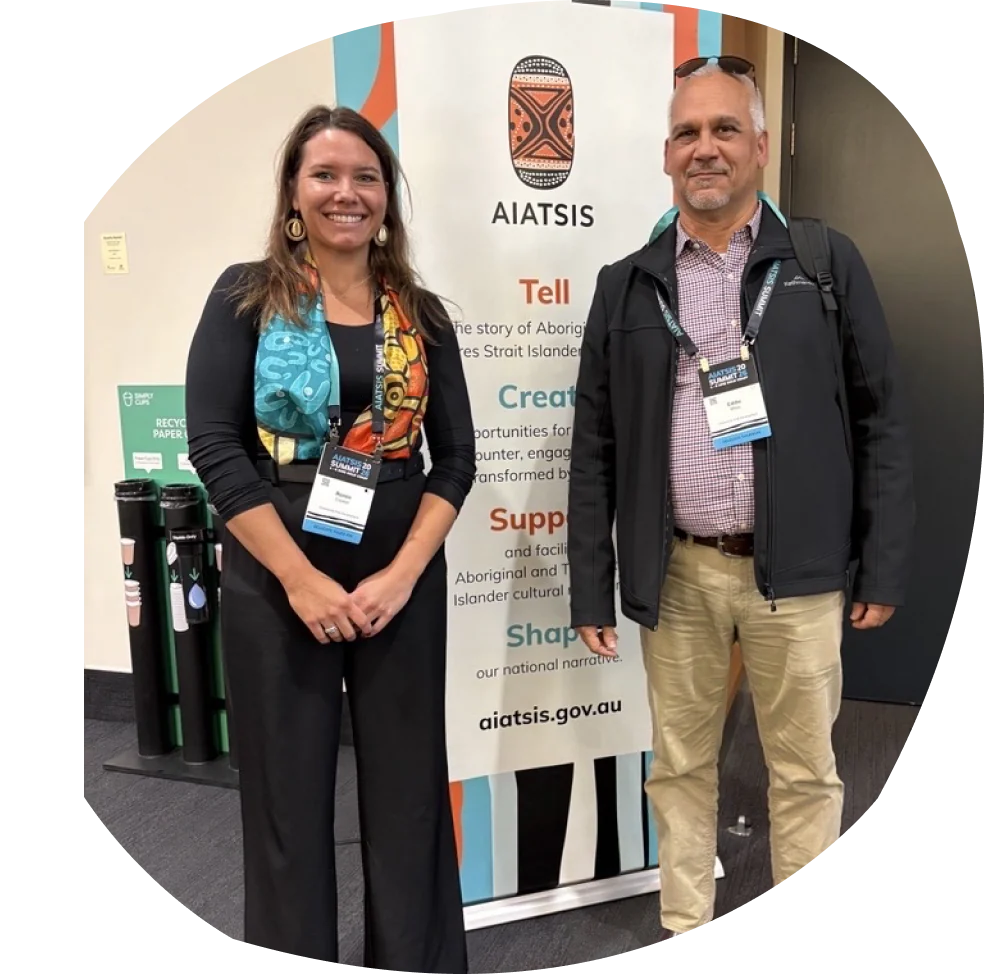
Community First Development Deputy CEO, Renee Cremer and Senior Community Development Officer, Eddie Miles, presenting at the AIATSIS Summit 2026 on Centering Community Authority in Evaluation.Senior Community Development Officer Mafi with Bek Lilley, Founder of Too Solid Activewear at the Community First Development 25 Year Anniversary celebration on Naarm.
81 geographic locations
Our extensive reach across Australia is a critical driver of long-term socio-economic impact. In FY26, projects were distributed widely, with 56% in urban centres, 29% in regional areas and 15% in remote locations, a 5% increase from FY25. Consistent with FY25, most activities took place in the Northern Territory, Western Australia and New South Wales. Maintaining a presence across urban, regional and remote Australia ensures communities can access support that is responsive to their unique circumstances, aspirations and priorities.
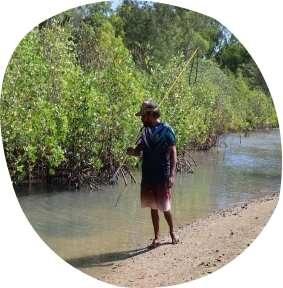
Steven Stassi checking crab pots at Milikapiti.Image courtesy of Yawardani Jan-ga.
638 Project indicators
Projects are monitored at the beginning and end of each project, with longer-term initiatives including additional monitoring points to track change over time. This year, 419 of the 638 project indicators monitored showed positive movement. Collectively, these results indicate that communities are making meaningful strides towards their aspirations, with the median project achieving at least 70% progress.
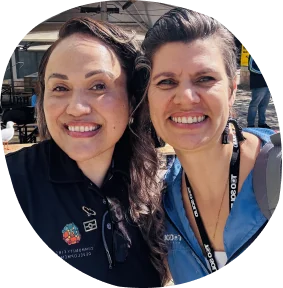
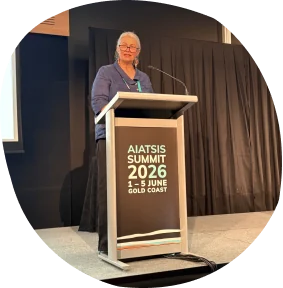
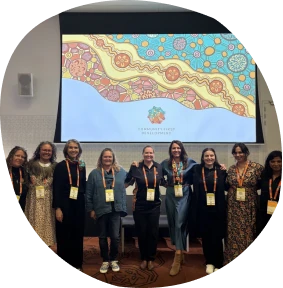
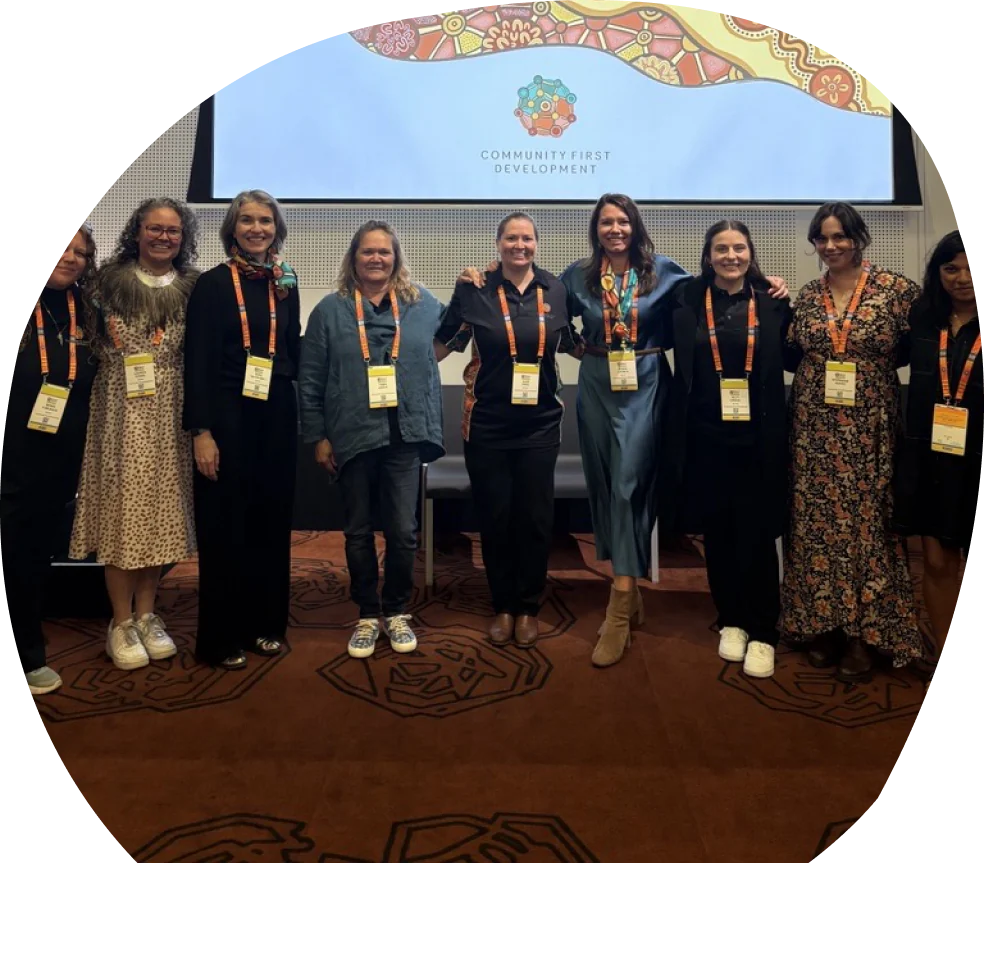
Community First Development CEO, Stephanie Harvey, presenting at the AIATSIS Summit 2026.Community First Development team representing at the 2026 Women Deliver Conference.
4,306 volunteer hours
Alongside the guidance and experience of our community development team, volunteers with specialised skills from a range of industries play a critical role in supporting communities to achieve their priorities. All volunteers complete a comprehensive application, screening and training process before undertaking activities, ensuring they are well equipped to work in partnership with communities. In FY26, skilled volunteers contributed 4,306 hours of service, equivalent to 2.2 years of full-time work. This contribution significantly extends our capacity to support community-led priorities and deliver lasting impact across Australia.
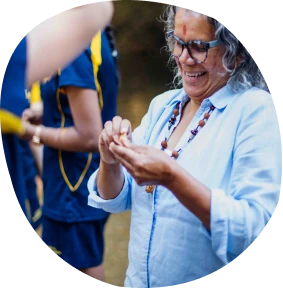
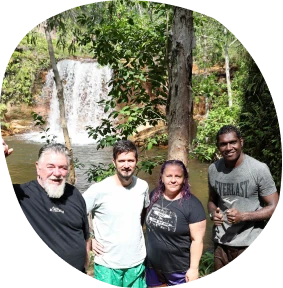
Founder of CEED Healing Karen Reys with participants of an on Country deep listening (Gimuy) experience and cultural learning workshop. Photographer: Cristina Bevilaqua.Craig Bate (Tiwi Enterprises), Volunteer Anthony, Senior Community Development Officer Jacki, and Norman Tipiloura at Taracumbie Falls on Norman’s homeland.
How change happens
Community Dreams
Every journey begins with a community's vision for the future. Whether that dream is building a strong and sustainable organisation, creating new economic opportunities, strengthening culture, or expanding services for future generations, the aspirations belong to the community.
Our role is to listen deeply, understand what matters most, and work alongside communities to identify practical steps towards their goals. Together, we define meaningful indicators of progress that reflect community priorities and values.
By connecting aspirations to action, communities can track progress in ways that strengthen leadership, build confidence and create momentum towards long-term change.
Relationships and trust
Lasting change starts with strong relationships. We work by invitation only, recognising that genuine partnerships cannot be imposed and must be built on trust, mutual respect and shared understanding.
We take the time to listen, learn and build relationships, working at the speed of trust rather than the pace of external expectations.
By respecting community priorities, decision-making processes and timeframes, we create the conditions for meaningful collaboration and ensure that change is driven by community readiness rather than external pressures.
These tools help communities identify priorities, measure progress and make informed decisions while ensuring community voices remain at the centre of the process.
We also draw on the expertise of skilled volunteers and specialist partners who contribute knowledge, experience and practical support. Combined with the strengths already present within communities, these resources help turn ideas into action and aspirations into achievable outcomes.
Community leadership
At the heart of our work is knowing that communities already hold many of the solutions to the challenges they might face. Community leadership and self-determination are not outcomes of the process; they are the starting point.
We support communities to identify and build on their existing strengths, assets, knowledge and capabilities, often revealing that they are already part of the way towards achieving their goals.
Rather than directing change, we walk alongside communities, backing their decisions and providing practical support that enables local leaders to determine their own future and drive outcomes that reflect their priorities.
Sustainable change
Sustainable change happens when communities have the power and resources to shape their own futures. To champion self-determination, we support Aboriginal and Torres Strait Islander communities to design, lead and sustain solutions that reflect their aspirations, strengths and priorities.
This approach is not prescriptive. Every community defines success differently and follows its own pathway towards achieving it.
As communities strengthen governance, build economic resilience, grow community-controlled initiatives and maintain cultural continuity, they create lasting outcomes that extend well beyond individual projects. These changes not only benefit communities locally, they also contribute to broader national priorities under the National Agreement on Closing the Gap.
Every community aspiration pursued, every capability strengthened and every locally led solution implemented advances outcomes related to community leadership, economic participation, health and stronger community-controlled sectors.
By translating community priorities into tangible action, we support progress towards Closing the Gap that is driven by the people, knowledge and solutions that already exist within communities.
What changed in FY26
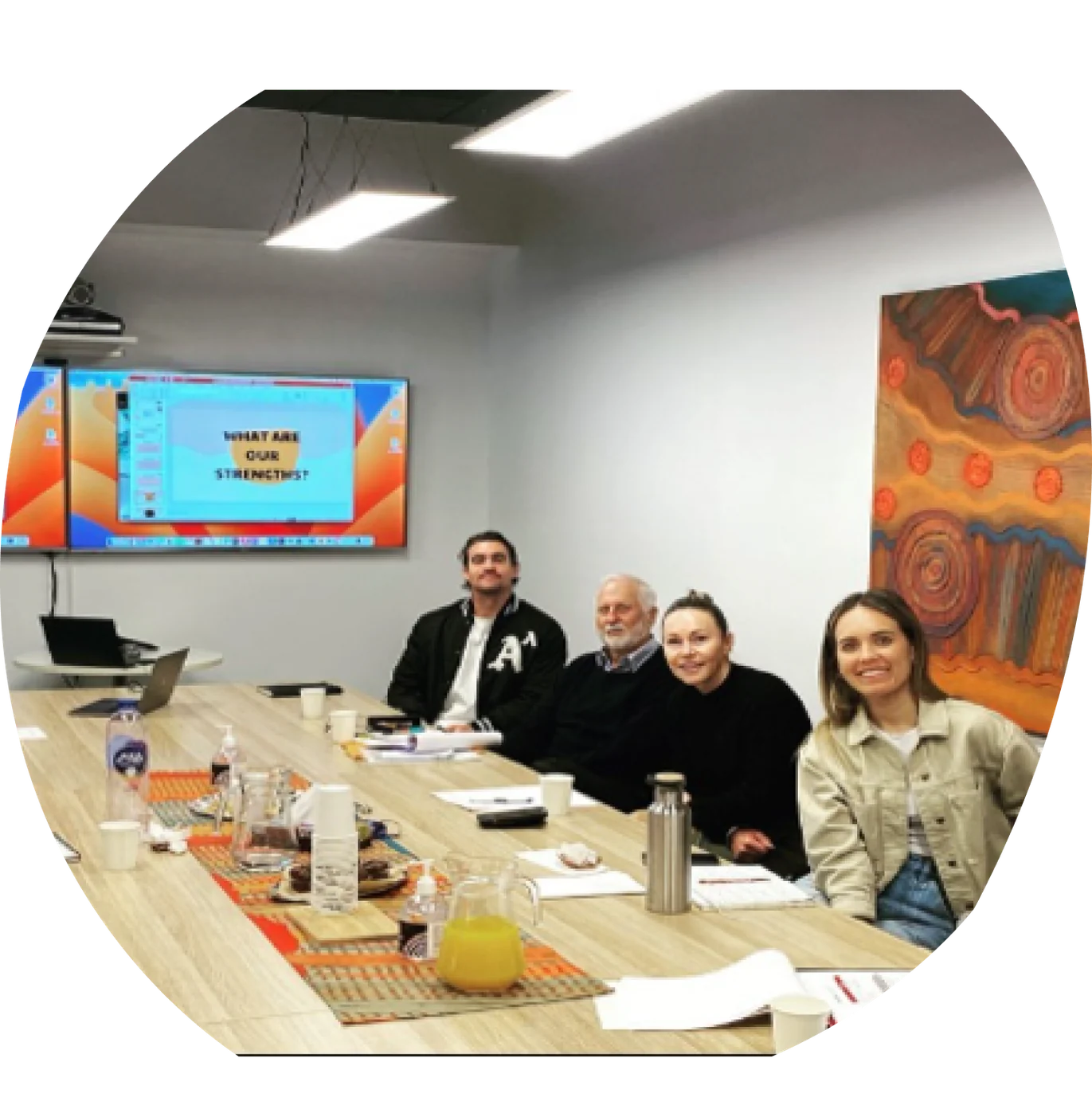
Cultural Choice Association Inc. Team: Connor Watson, volunteer Ken, Jodie Watson and Marlee Silva
Stronger Governance
Strengthen community-led governance by supporting local leadership, decision-making capability, and self-determination that reflects community aspirations and cultural authority.
68Projects
128Project Indicators
59%Average Progress
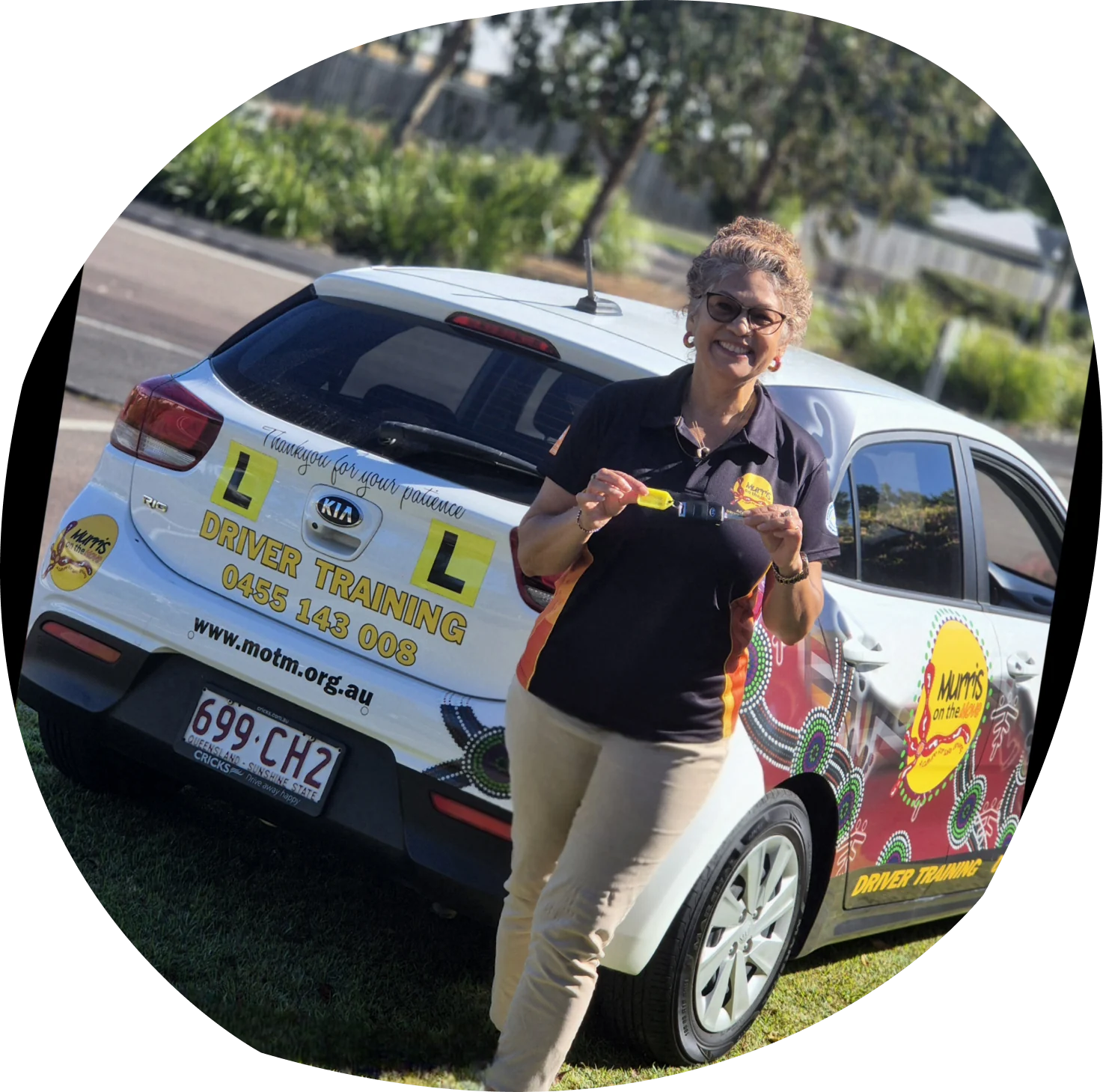
Murri’s on the Move founder, Kerri Turner.
Stronger economic outcomes
Support sustainable economic development by creating opportunities for employment, enterprise, skills development, and long-term economic sovereignty.
57Projects
94Project Indicators
61%Average Progress
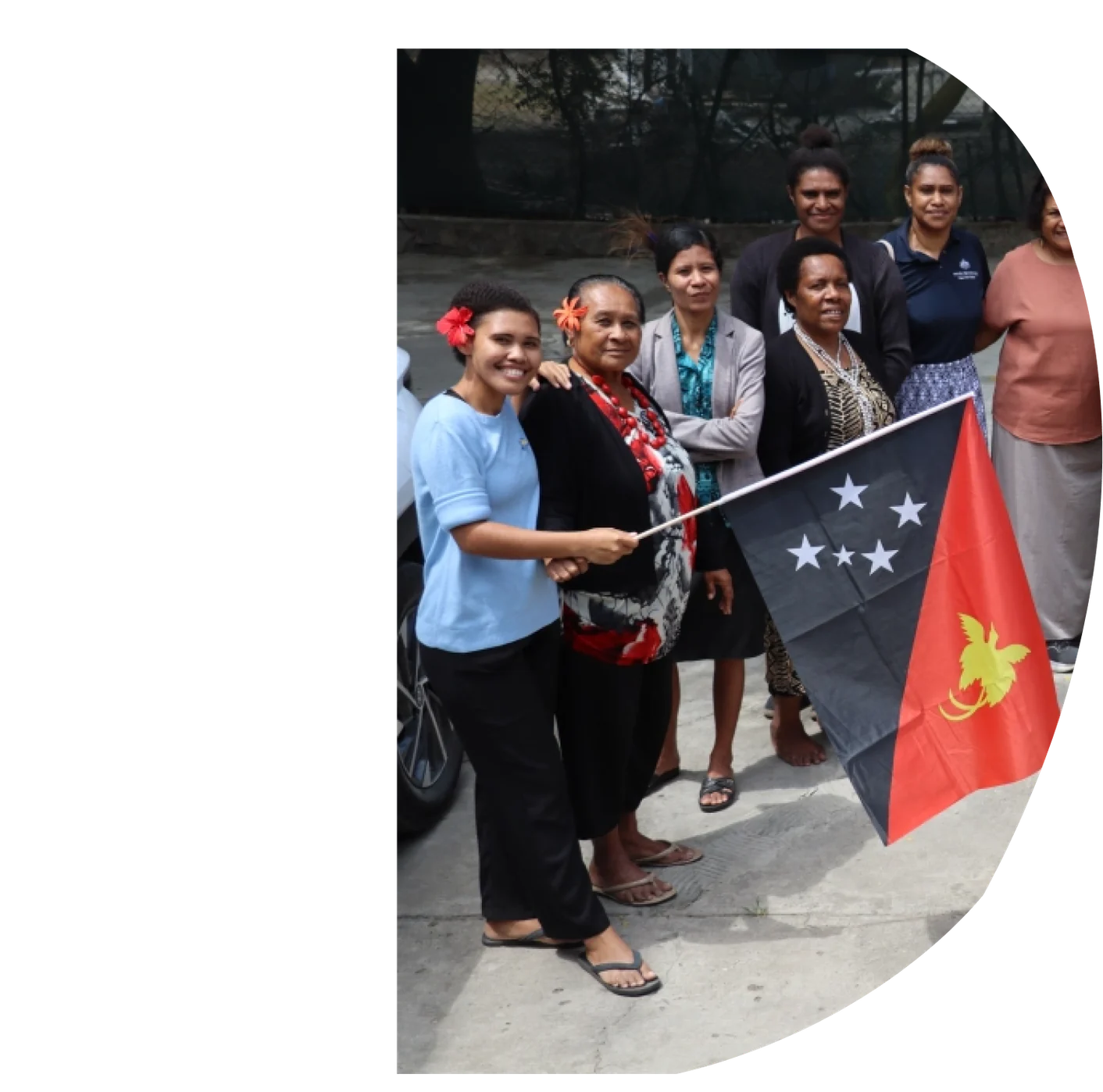
Advancing PNG: Women Leaders Network and Community First Development.
Stronger connections & partnerships
Fostering respectful partnerships that connect communities with people, organisations, resources, and opportunities to achieve shared goals and lasting outcomes.
23Projects
59Project Indicators
68%Average Progress
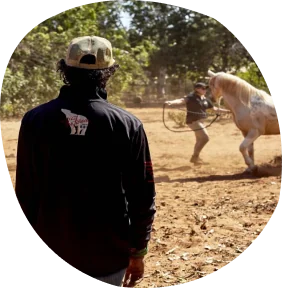
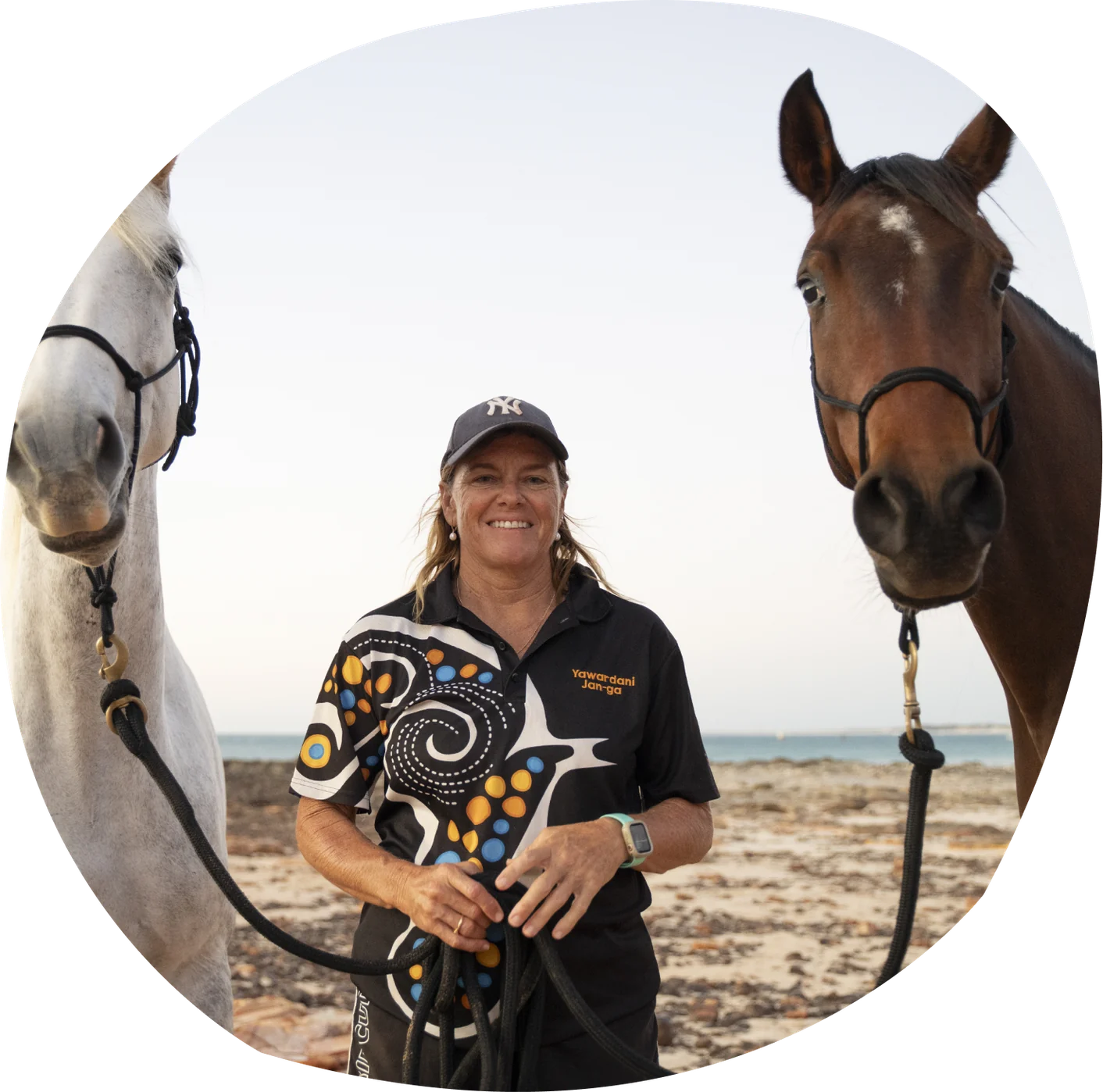
Professor Juli Coffin, founder of Yawardani Jan-ga pictured with Elvis and Gracie, horses involved in the equine-assisted learning program.
Stronger Country, Stronger culture
Strengthening connection to Country, culture, language, and traditional knowledge as foundations for wellbeing and community-led development.
21Projects
19Project Indicators
54%Average Progress
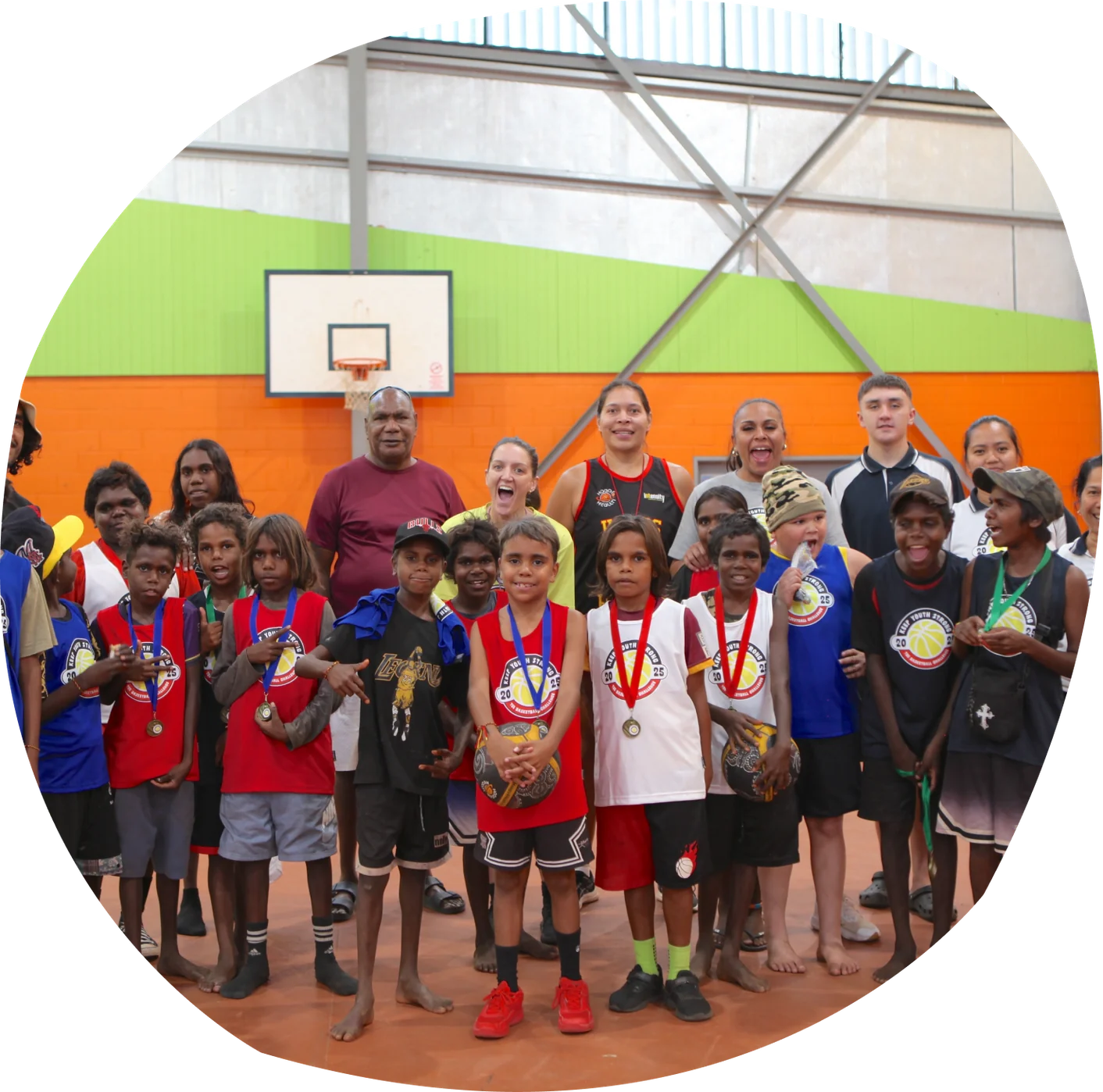
Young participants at the community basketball carnival hosted by Blakdoll Role Models and Hoops 4 Health.
Stronger healthier lives
Enhancing health and wellbeing through initiatives that build community capacity, strengthen social connections, and support healthy lifestyles.
18Projects
12Project Indicators
90%Average Progress
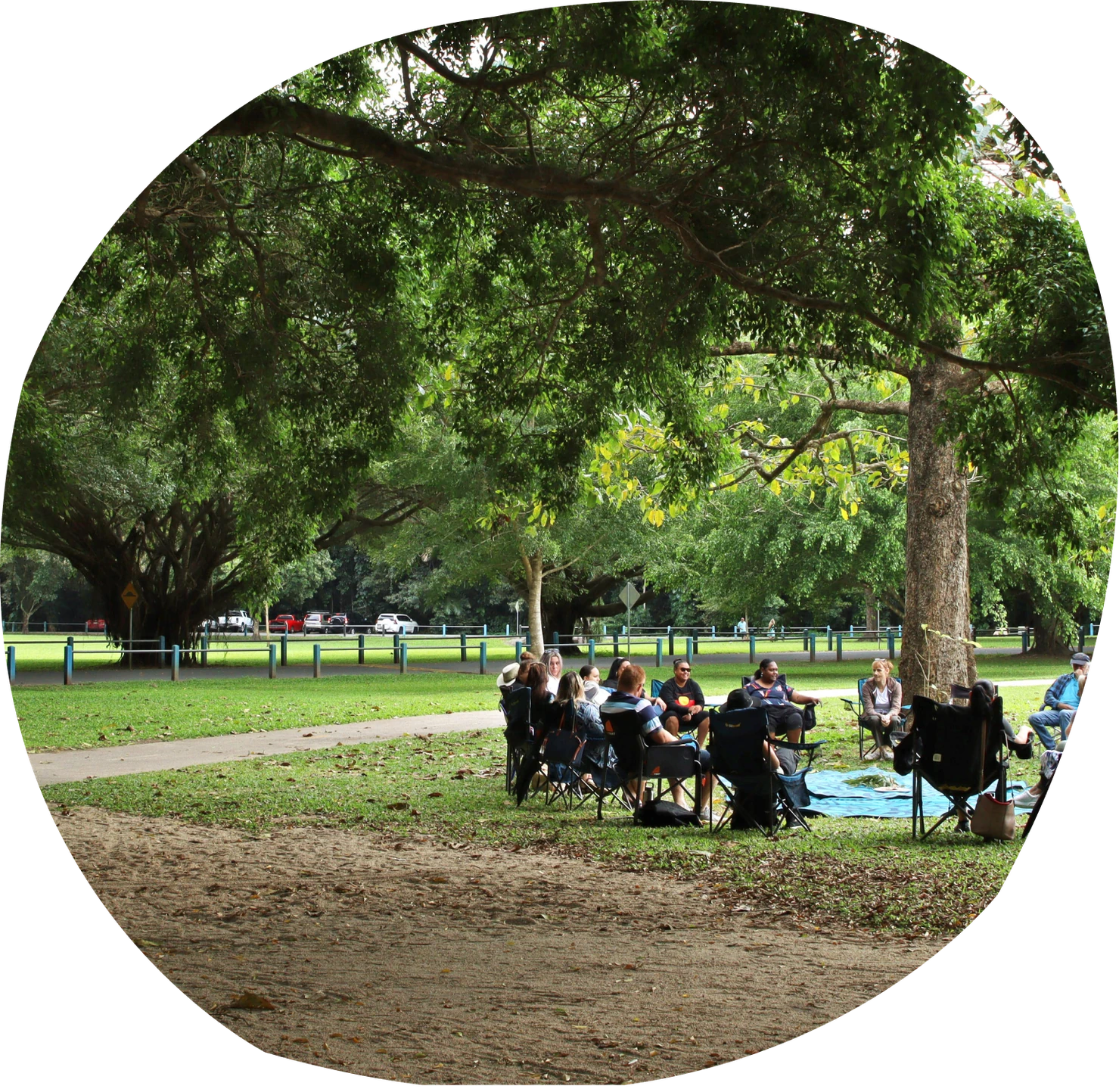
CEED Healing on Country deep listening (Gimuy) experience and cultural learning workshop. Photographer: Cristina Bevilaqua
Data Sovereignty
Support communities to own, control, and use their information and knowledge in ways that protect Indigenous Cultural and Intellectual Property.
17Projects
61Project Indicators
76%Average Progress
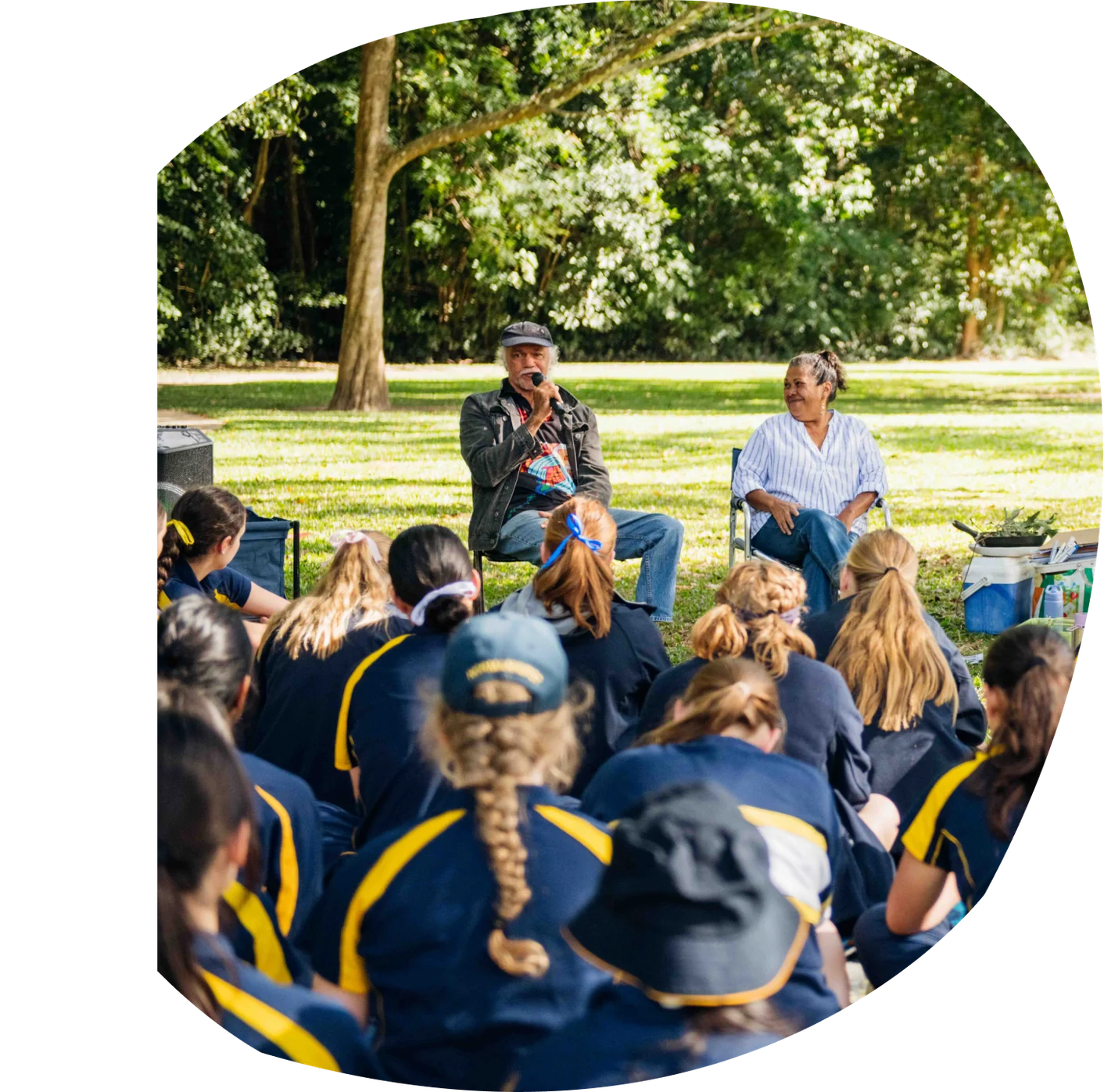
CEED Healing on Country deep listening (Gimuy) experience with students. Photographer: Cristina Bevilaqua
Stronger education outcomes
Improving education outcomes through community-led approaches that support lifelong learning, cultural knowledge and skills development.
11Projects
29Project Indicators
59%Average Progress
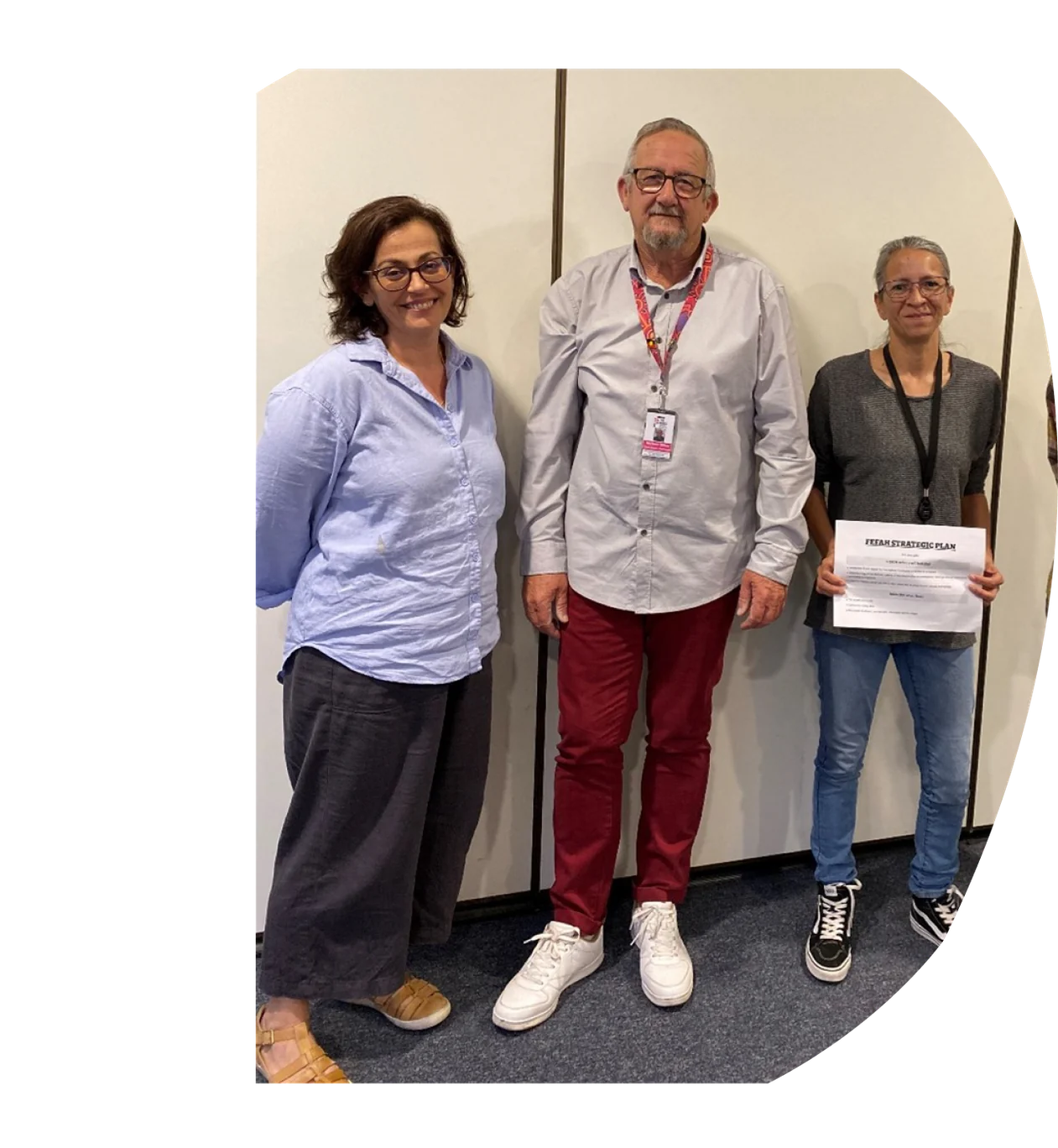
FEFAH Board of Directors; Theodora Hatzihrisafis, Mathew Dillon and Caroline Barton and Community First Development Volunteer Peter proudly presenting their draft strategic plan.
Other Story of Change Outcomes
More For Youth
Support the creation of opportunities for young people to thrive through leadership, education, employment, cultural participation, and community engagement. 6 projects.
Stronger Cross- Cultural Community
Promoting mutual understanding, respect, and two-way learning that strengthens relationships between First Nations and non-Indigenous peoples. 5 projects.
Stronger Safer Communities
Building safer and more resilient communities by strengthening local capacity, community participation, and collective wellbeing. 4 projects.
Community requested projects
Communities continue to prioritise initiatives that strengthen economic participation and local governance, with Stronger Economic Outcomes and Stronger Governance remaining the most sought-after Story of Change outcome areas for the fourth consecutive year. Projects aligned with Stronger Country and Stronger Culture also remained in high demand, reflecting the importance of connection to place, culture and community-led decision-making.
Percentage of all projects requested, by year.
Stronger Healthier Lives
2022-236.8%
2023-246.1%
2024-2510.1%
2025-268.5%
Stronger Governance
2022-2324.9%
2023-2422.5%
2024-2522.8%
2025-2630.3%
Stronger Education Outcomes
2022-234.1%
2023-246.8%
2024-255.2%
2025-265.6%
Stronger Economic Outcomes
2022-2330.5%
2023-2431.2%
2024-2535%
2025-2625.4%
Stronger Cross-Cultural Community
2022-234.1%
2023-242.8%
2024-251.7%
2025-263.6%
Stronger Country, Stronger Culture
2022-2318.3%
2023-2412.5%
2024-259.3%
2025-2610.2%
Stronger Connections & Partnerships
2022-232%
2023-247.1%
2024-257.8%
2025-2610.8%
More for youth
2022-236%
2023-246.5%
2024-255.6%
2025-263.3%
Data Sovereignty
2022-235.2%
2023-244.4%
2024-256%
2025-268.6%
Stories of change
Stronger Economic OutcomesWarrigunya
Warrigunya is a Gippsland-based (Victoria) Aboriginal Community Controlled Incorporated Not for Profit organisation working towards building culturally connected and stronger Aboriginal communities. They provide stable housing and on-site support for men, connecting them to training and employment opportunities and making connections that support a transition back into society.
The dream
For Aboriginal men leaving custody to walk strong in culture, connected to community and Country, supported by safe and stable housing, and empowered to build lives of dignity, belonging, independence and purpose, free from the cycle of recidivism.
The challenge
Aboriginal men in regional communities need greater access to culturally safe support to heal, rebuild their lives and successfully reintegrate after being in custody. Sustaining this vital work is made difficult by the ongoing challenge of securing long-term funding.
The journey
Recognising the need for sustainable growth, Warrigunya partnered with Community First Development to strengthen its organisational foundations. By taking the time to understand Warrigunya's vision and challenges, CFD provided tailored mentoring, governance support, and connected the organisation with a highly skilled volunteer to help build capability and unlock future opportunities.
Skills & backing
Through Community First Development, Warrigunya was connected with a highly skilled volunteer who worked alongside the organisation to develop funding proposals and strengthen its funding strategy. Combined with mentoring, governance support and guidance to identify new opportunities, this practical support helped translate Warrigunya's vision into clear and achievable plans for long-term impact.
The outcome
Warrigunya are progressing towards recurrent funding which represents a significant milestone for their organisation, creating a strong foundation for greater stability and certainty into the future. Ongoing funding would enable Warrigunya to strengthen its services, enhance long-term planning, and continue supporting Aboriginal men to reconnect with culture, build independence, and create positive change for themselves, their families, and their communities.
“Russell has been a great contributor and has been invaluable for us and will continue to be moving forward.”
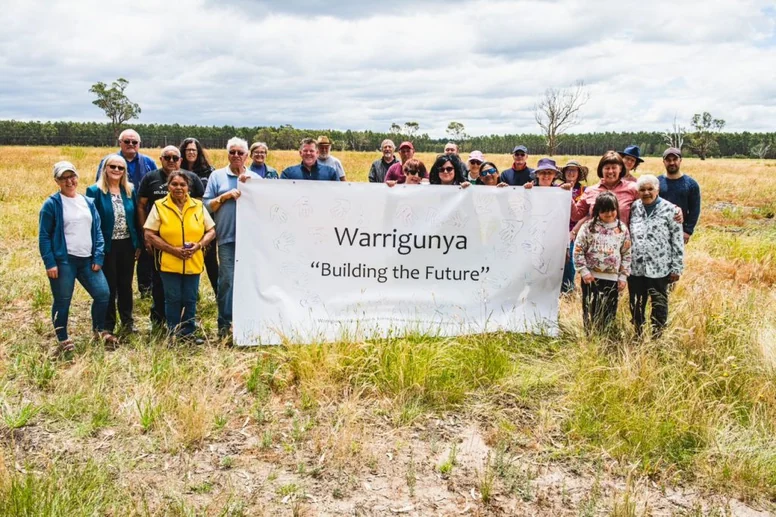
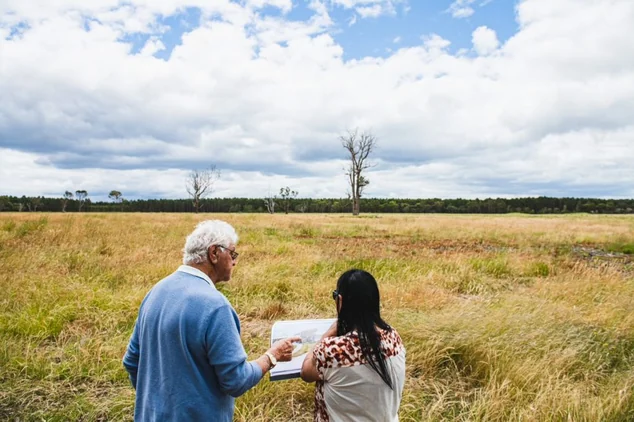
Warrigunya community members gathering during the 2021 Barbie on the Block event.Warrigunya community members review plans during the 2021 Barbie at the Block event.
Stronger Country, Stronger CultureDjinama Yilaga
Djinama Yilaga is an intergenerational choir from the Far South Coast of New South Wales, bringing together singers age 11 to 65 through a shared love of music, language, culture and connection to Country. Led by Walbunja and Ngarigo woman Cheryl Davison and supported by Ngarigo and Monaro Elder Aunty Iris White, the choir shares the stories, language and cultural heritage of the Yuin people through original songs in Dhurga.
The dream
For Dhurga language, stories and cultural knowledge to thrive through future generations, with Djinama Yilaga strengthening cultural identity, community connection and self-determination through music, storytelling and Aboriginal-led leadership.
The challenge
As Djinama Yilaga grew, so did the need for greater organisational independence and sustainable ways to share its culture, language and achievements. Without its own platform and long-term organisational capacity, the choir's ability to tell its story on its own terms was limited.
The journey
Through its partnership with Community First Development, Djinama Yilaga was connected with a volunteer website specialist, helping bring a long-held community aspiration to life. Working alongside community members, the project focused on creating a digital home that reflected the choir's identity, culture and vision for the future.
Skills & backing
With support from CFD and our volunteer’s specialist expertise, community members helped shape the website's content, design and functionality while building the skills and confidence to manage the platform independently. This collaborative approach ensured the website remained culturally authentic, community-led and sustainable.
The outcome
Djinama Yilaga now has a dedicated digital platform to share performances, stories and the ongoing revival of Dhurga language with audiences locally, nationally and internationally. More than a website, it is a lasting community asset that strengthens cultural storytelling, supports self-determination, and helps ensure language, stories and cultural knowledge continue to thrive for future generations.
"It's positive to see that you can get these kinds of results working with volunteers and community, and that it's done in a way community is happy with and everyone has an opportunity to participate in."
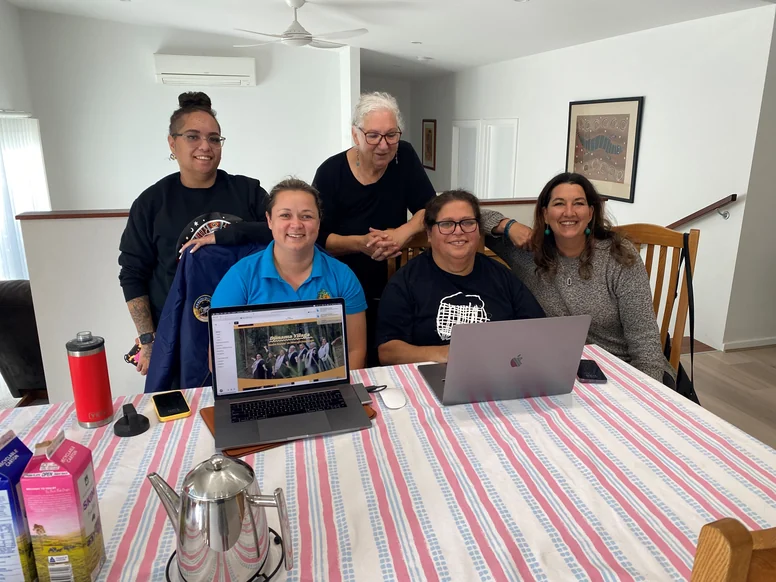
Top L-R (Djinama Yilaga Board members Tamsin, Iris. Bottom L-R (Volunteer Deb, Cheryl, and SCDO Ruth in Moruya, NSW
Extending our reach
Geographic communities
Senior Community Development Officers
Community voices on National and Global stages
Through sharing our experiences at conferences, forums and international gatherings, we amplify the voices, priorities and solutions of Aboriginal and Torres Strait Islander communities. These opportunities create spaces to exchange knowledge, build relationships and ensure that community-led approaches inform broader conversations, while bringing valuable insights and learnings back to strengthen the work we do alongside communities.
United Nations
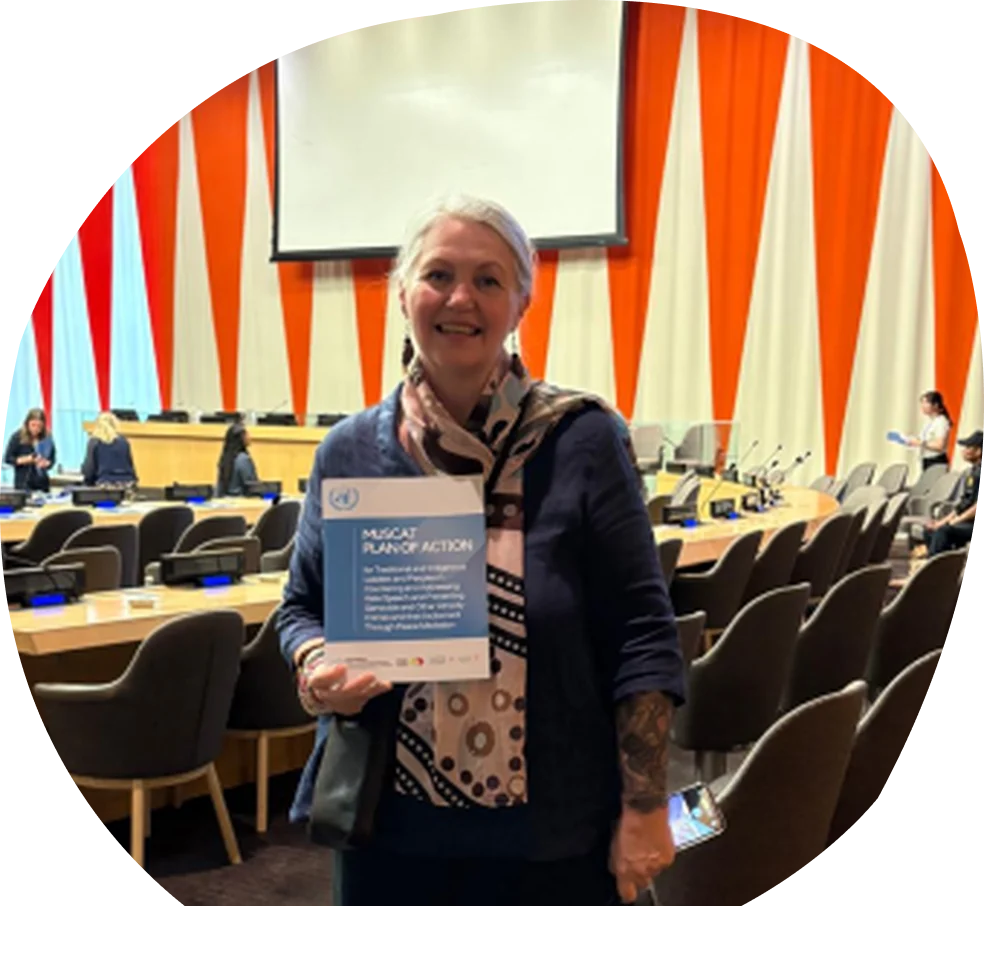
Through our engagement with United Nations initiatives, we elevated the voices, knowledge and priorities of Aboriginal and Torres Strait Islander communities in global conversations on peacebuilding, climate action and Indigenous rights. We contributed to the development and launch of the Muscat Plan of Action for Traditional and Indigenous Leaders and Peoples in Countering and Addressing Hate Speech and Preventing Genocide and Other Atrocity Crimes and their Incitement through Peace Mediation, ensuring Indigenous perspectives informed international approaches to preventing conflict and promoting social cohesion.
We also participated in United Nations working group dialogues during New York Climate Week, advocating for the critical role of First Peoples' knowledges in climate adaptation and the importance of Indigenous Data Sovereignty. By bringing community experiences, expertise and leadership into these global forums, we strengthened international recognition of Indigenous-led solutions and advanced approaches that respect Aboriginal and Torres Strait Islander peoples' rights, knowledge systems and authority in decisions that affect communities and futures.
Women Deliver
At the Women Deliver Conference in Naarm (Melbourne), we amplified the voices, experiences and leadership of Aboriginal and Torres Strait Islander women on a global stage. Through our sessions, Building Together: Women, Communities and Self-Determined Pathways for Change and Yarning Across Borders: Women Leading Change Through Story, Movements, Sovereignty and Solidarity, we shared the power of community-led approaches to achieving lasting social change and highlighted the importance of self-determination in driving stronger outcomes for communities.
Our participation also enabled us to bring community perspectives into international discussions on economic justice, gender equality and Indigenous rights. Chief Executive Officer Stephanie Harvey contributed to the plenary session Economic Justice and Rights: From Fiscal Choices to Feminist Futures, while Deputy Chief Executive Officer Renee Cremer moderated On Our Terms: Indigenous Women Defining Economic Power and Self-Determination.
By contributing to these global conversations, we elevated the priorities, knowledge and solutions of the communities we work alongside, strengthening understanding of Indigenous-led approaches and advocate for greater recognition of Aboriginal and Torres Strait Islander women's leadership in shaping equitable and self-determined futures.
Australian Institute of Aboriginal and Torres Strait Islander Studies (AIATSIS) Summit
At the 2026 AIATSIS Summit, we shared practical examples of how Aboriginal and Torres Strait Islander communities are leading change through community governance, decision-making and evaluation. Through presentations on Indigenous-led grant redistribution and our Right Way Evaluation approach, we demonstrated how stronger outcomes are achieved when communities have the authority to set priorities, define success and guide investment in their futures.
By contributing these insights to a national audience, we strengthened recognition of self-determination as a foundation for effective community development and advocated for funding, governance and evaluation practices that place community leadership at the centre. In doing so, we amplified the experiences and expertise of the communities we work alongside and supported broader sector understanding of what is needed for Aboriginal and Torres Strait Islander communities to thrive on our own terms.
Volunteers making a difference
Strong, enduring relationships are at the core of Community First Development's volunteer program. In FY26, 258 skilled volunteers contributed 4,306 hours across 165 placements, sharing their expertise while building meaningful connections with First Nations communities. Equivalent to 2.2 years of full-time work, this contribution grew substantially from last year and reflects the generosity, commitment and mutual learning that underpin our volunteer model. Nearly one-third of volunteers have been involved for more than a decade, highlighting the lasting relationships that continue to strengthen our work together.
“Volunteering with Community First Development has had a meaningful impact on me personally. It has helped me sharpen my existing skills while also deepening my understanding of the issues and opportunities facing First Nations communities. Engaging directly with the work has broadened my perspective and strengthened my commitment to contributing in a thoughtful and informed way.”
Rogier Voorhoeve (Volunteer)
Active Volunteer Survey Snapshot
Our FY26 biennial Volunteer Survey highlights the strength of Community First Development’s volunteer program. Volunteers reported feeling well supported and prepared, valued the flexibility of the model, and described gaining meaningful insights into First Nations cultures, histories and experiences through their participation.
100% Agreed“My ability to think from diverse perspectives improved.”
100% Agreed“My knowledge and understanding of first Nations culture, histories and experience has improved.”
90% Agreed“My confidence in addressing racism in my community or networks has increased.”
4,306 volunteer hours contributed
Looking ahead
Advancing Indigenous-led Grantmaking
Indigenous-led grantmaking is grounded in trust, self-determination and genuine community decision-making. It recognises that First Nations communities are not simply recipients of funding, but leaders who are best placed to identify priorities, opportunities and pathways for change.
This year, Community First Development took an important step towards that future through our Indigenous-Led Fund (ILF) Small Grants Trial. The trial reaffirmed principles that have guided our work for more than two decades: communities know what is needed, where opportunities exist and how meaningful change can be achieved.
Through engagement, yarning and relationship-based conversations, the trial explored what a truly community-led grantmaking process can look like. Communities valued the opportunity to shape and co-design the process, highlighting the importance of flexibility, face-to-face engagement and funding approaches that reflect First Nations ways of working.
Feedback consistently showed that reducing traditional grantmaking restrictions enabled communities to focus on priorities that were genuinely community identified and community led.
The trial demonstrated that grantmaking built on relationships, cultural integrity and trust can create more effective and respectful outcomes than traditional funding models. It also highlighted the significant opportunity to shift decision-making closer to communities, ensuring resources are directed by those with the deepest understanding of local aspirations, strengths and challenges.
As our Chief Executive Officer, Steph Harvey, reflects:
"I think Indigenous-Led Funds are a critical bridge between communities and mainstream philanthropy."
Looking ahead, Community First Development sees Indigenous-led grantmaking as a natural extension of community-led development and a powerful pathway to deep, lasting and whole-of-community outcomes. When communities have both a voice and influence over resources, stronger and more sustainable futures can be shaped by community aspirations, leadership, culture and self-determination.
Supporting Community Aspirations
The priorities identified by communities this year tell a consistent story. For First Nations communities, economic development is about more than generating income. It is about strengthening self-determination, building local leadership, supporting cultural continuity and creating pathways for future generations to thrive.
These priorities have remained consistent over time and reinforce what communities continue to tell us: they want greater control over their futures and the tools to turn their aspirations into reality.
Business and strategic planning (20%) and support to diversify resources through grant and tender development, fundraising and mentoring (22%) remained the most requested areas of support.
Together with strengthening governance (10%) and website development and training (12%), these projects reflect communities' determination to build strong organisations, grow local economies and create opportunities on their own terms.
As we look ahead, Community First Development will continue to walk alongside communities as they pursue their economic, social and cultural development aspirations. By supporting community-led planning, strong governance and sustainable resource development, we will continue to back the vision, leadership and ingenuity already present in Aboriginal and Torres Strait Islander communities across Australia.
Community Testimonials
"The highlight of this project was successfully laying a strong foundation that will support everything we build moving forward. With this solid base in place, we’re now positioned to move ahead with greater confidence, efficiency, and creativity. This achievement marks an exciting turning point for our team and sets us up for continued growth and innovation”.
“This project has given us a stronger foundation and clear direction for the future. Our Strategic Plan provides a pathway for us to strengthen our governance, build the organisation and move towards delivering meaningful support and opportunities for Aboriginal people families and communities”.
Thank You & Acknowledgements
10,686Donors in FY26
61,337Gifts given
We’re so thankful that this year 10,686 donors generously gave 61,337 gifts to enable First Nations’ people to undertake projects that prioritised community goals including economic and business planning, cultural preservation and learning, education, and health.
Our work is only possible because of the generous support of our partners, donors, philanthropic trusts and foundations, federal government funding and corporate bodies. We receive much-needed funding and in-kind support from a range of organisations.
Want to get involved?
Join Us in Backing Community-Led Change
We back the aspirations of First Nations peoples. To learn more about our work or to learn more about how you can support us to advance Aboriginal and Torres Strait Islander self-determination, contact us at:
Community First Development is committed to strong governance, accountability and responsible stewardship of the resources entrusted to us. Information regarding our governance arrangements, annual financial statements and regulatory reporting is publicly available through the Australian Charities and Not-for-profits Commission (ACNC).
Communitieslead change
We back the aspirations of First Peoples through community-led solutions
Annual impact statement 2025 - 2026
This is an interactive report. Each section will allow you to click on the arrows and move through the content, animations and videos, so have fun!
Board chair reflection
“Strengthening Aboriginal-led governance from board to management, and community level whilst supporting self-determination and community-based enterprises has been a defining focus for us this year.”
When I think about Community First Development, I think first about people and relationships. I think about the many conversations held around tables, in community spaces and on Country. I think about the stories people share when they know they are being heard properly.
I have been connected with this organisation a long time, and what has always stayed with me is the strength that is already there in community.
Our role is not to come in with all the answers. Our role is to listen, to respect local knowledge, and to walk alongside people as they set their own priorities and build the futures they choose for themselves.
This year, I have seen that strength in many ways — in Aboriginal-led governance, in community-based enterprise, in young people stepping forward, and in families and communities building on culture as their foundation. Culture is what holds this work together. It gives people identity, direction and strength.
A moment that will stay with me was from one of our 25-year anniversary celebrations. The rain was coming down heavily, but our partners still came, stayed and listened. To me, that said so much.
It showed the trust and belief people have in this work, and it reminded me that when we share stories of community-led change, people do listen and we are thankful to those who supported this celebration.
We also carried that message onto other stages, including Women Deliver in Naarm (Melbourne) and through our continuing global partnerships. These opportunities matter because they show that Aboriginal-led knowledge has something important to offer the world.
At the same time, we know there are challenges ahead. Funding is still uncertain, especially here in Australia, and we need to keep telling our story clearly. No-one else works quite the way Community First Development does.
Lasting change takes time, trust and community leadership, and we must keep helping others understand why that matters.
Our work remains grounded in a strong commitment to self-determination and community control, reflected in the growth of community-based enterprises supported through our enterprise development efforts. We have placed greater emphasis on cultural wellbeing as the foundation for lasting community development and are proud of our strength in strategic and business planning, both internally and alongside communities.
I want to thank our staff, volunteers, partners, donors and supporters for standing with us in this work. I acknowledge Stan Kalinko, John Jeffery and Aunty Anne Martin for their deeply valued service to the Board, and I warmly welcome our new Board members, Desmond Campbell and Kyle Mathieson.
I also thank our outgoing CEO, Steph Harvey, for her leadership, dedication and care. As we look ahead, we do so grounded in culture, guided by community and committed to walking alongside people as they lead their own way forward.
Karen Milward, AM (Yorta Yorta) Board Chair Community First Development
CEO reflection
As I reflect on the year, I am immensely proud of the people who make this work possible. I have the privilege of leading a terrific team of dedicated, smart and resourceful people who are committed to ensuring community voices are always centred in our work.
We have the right people in the right roles, guided by the right values, to walk alongside communities and support their aspirations. Every day, our team listens first, builds trust and backs community leadership, and that is what makes Community First Development unique.
Our strength has always been our people and our cultures. As an Aboriginal organisation, we remain firmly focused on community-led development, supporting community identified priorities, and solutions, and driving change grounded in culture, knowledges, relationships and self-determination. When communities lead, outcomes are stronger, more sustainable and more meaningful.
This year marks an exciting step forward as Community First Development joins the growing movement for Indigenous-led grantmaking in Australia. For us, this is not a departure from our work, but a natural extension of it.
For more than 26 years, we have seen the impact that comes when communities have the resources, agency and support to shape their own futures.
Indigenous-led funds strengthen that approach by placing decision-making and access to capital and funding closer to community and ensuring investments align with community-defined priorities.
I believe Indigenous-led funds are a critical bridge between communities and mainstream philanthropy. They challenge traditional funding models that too often determine priorities from the outside and instead recognise Aboriginal and Torres Strait Islander peoples as the experts in our own lives and communities.
Our lived experiences, relationships and proximity to community position us to ensure funding reaches where it can create the greatest impact.
My call to action is simple: Invest in building trust and relationships. We are people, not projects. Stand with us in backing the aspirations, knowledge and solutions that already exist within First Nations’ communities.
Stephanie Harvey (Bidjara) Chief Executive Officer Community First Development
2026Year in Review
220
Communities engaged
230
Projects
638
Project indicators
81
geographic locations
4,306
volunteer hours
The numbers in detail
Steven Stassi and Thomasina Assan crab hunting at MilikpitiCheck out these deadly new t-shirts for the Howler Monkey Catering team!
Community First Development Deputy CEO, Renee Cremer and Senior Community Development Officer, Eddie Miles, presenting at the AIATSIS Summit 2026 on Centering Community Authority in Evaluation.Senior Community Development Officer Mafi with Bek Lilley, Founder of Too Solid Activewear at the Community First Development 25 Year Anniversary celebration on Naarm.
Steven Stassi checking crab pots at Milikapiti.Image courtesy of Yawardani Jan-ga.
Community First Development CEO, Stephanie Harvey, presenting at the AIATSIS Summit 2026.Community First Development team representing at the 2026 Women Deliver Conference.
Founder of CEED Healing Karen Reys with participants of an on Country deep listening (Gimuy) experience and cultural learning workshop. Photographer: Cristina Bevilaqua.Craig Bate (Tiwi Enterprises), Volunteer Anthony, Senior Community Development Officer Jacki, and Norman Tipiloura at Taracumbie Falls on Norman’s homeland.
220
Communities engaged
We are privileged to work closely with strong and innovative First Nations’ communities across Australia. We define a community as a social group which shares a common culture, background and location, often structured as a community organisation or community-minded business. This year we engaged with 220 communities, including 93 new community relationships. As our work begins only at the invitation of communities, this growth demonstrates the trust First Nations communities place in our community-led approach and the increasing demand for our support.
230
Projects engaged
Projects are designed and delivered in partnership with communities, directly assisting each community to move confidently towards a broad range of goals. In FY26, 69 projects were completed with a majority of these relating to Stronger Governance and Stronger Economic Outcomes.
81
geographic locations
Our extensive reach across Australia is a critical driver of long-term socio-economic impact. In FY26, projects were distributed widely, with 56% in urban centres, 29% in regional areas and 15% in remote locations, a 5% increase from FY25. Consistent with FY25, most activities took place in the Northern Territory, Western Australia and New South Wales. Maintaining a presence across urban, regional and remote Australia ensures communities can access support that is responsive to their unique circumstances, aspirations and priorities.
638
Project indicators
Projects are monitored at the beginning and end of each project, with longer-term initiatives including additional monitoring points to track change over time. This year, 419 of the 638 project indicators monitored showed positive movement. Collectively, these results indicate that communities are making meaningful strides towards their aspirations, with the median project achieving at least 70% progress.
4,306
volunteer hours
Alongside the guidance and experience of our community development team, volunteers with specialised skills from a range of industries play a critical role in supporting communities to achieve their priorities. All volunteers complete a comprehensive application, screening and training process before undertaking activities, ensuring they are well equipped to work in partnership with communities. In FY26, skilled volunteers contributed 4,306 hours of service, equivalent to 2.2 years of full-time work. This contribution significantly extends our capacity to support community-led priorities and deliver lasting impact across Australia.
How change happens
Community Dreams
Every journey begins with a community's vision for the future. Whether that dream is building a strong and sustainable organisation, creating new economic opportunities, strengthening culture, or expanding services for future generations, the aspirations belong to the community.
Our role is to listen deeply, understand what matters most, and work alongside communities to identify practical steps towards their goals. Together, we define meaningful indicators of progress that reflect community priorities and values.
By connecting aspirations to action, communities can track progress in ways that strengthen leadership, build confidence and create momentum towards long-term change.
Relationships and trust
Lasting change starts with strong relationships. We work by invitation only, recognising that genuine partnerships cannot be imposed and must be built on trust, mutual respect and shared understanding.
We take the time to listen, learn and build relationships, working at the speed of trust rather than the pace of external expectations.
By respecting community priorities, decision-making processes and timeframes, we create the conditions for meaningful collaboration and ensure that change is driven by community readiness rather than external pressures.
These tools help communities identify priorities, measure progress and make informed decisions while ensuring community voices remain at the centre of the process.
We also draw on the expertise of skilled volunteers and specialist partners who contribute knowledge, experience and practical support. Combined with the strengths already present within communities, these resources help turn ideas into action and aspirations into achievable outcomes.
Community leadership
At the heart of our work is knowing that communities already hold many of the solutions to the challenges they might face. Community leadership and self-determination are not outcomes of the process; they are the starting point.
We support communities to identify and build on their existing strengths, assets, knowledge and capabilities, often revealing that they are already part of the way towards achieving their goals.
Rather than directing change, we walk alongside communities, backing their decisions and providing practical support that enables local leaders to determine their own future and drive outcomes that reflect their priorities.
Sustainable change
Sustainable change happens when communities have the power and resources to shape their own futures. To champion self-determination, we support Aboriginal and Torres Strait Islander communities to design, lead and sustain solutions that reflect their aspirations, strengths and priorities.
This approach is not prescriptive. Every community defines success differently and follows its own pathway towards achieving it.
As communities strengthen governance, build economic resilience, grow community-controlled initiatives and maintain cultural continuity, they create lasting outcomes that extend well beyond individual projects. These changes not only benefit communities locally, they also contribute to broader national priorities under the National Agreement on Closing the Gap.
Every community aspiration pursued, every capability strengthened and every locally led solution implemented advances outcomes related to community leadership, economic participation, health and stronger community-controlled sectors.
By translating community priorities into tangible action, we support progress towards Closing the Gap that is driven by the people, knowledge and solutions that already exist within communities.
What changed in FY26
Cultural Choice Association Inc. Team: Connor Watson, volunteer Ken, Jodie Watson and Marlee Silva
Stronger Governance
Strengthen community-led governance by supporting local leadership, decision-making capability, and self-determination that reflects community aspirations and cultural authority.
68Projects
128Project Indicators
59%Average Progress
Murri’s on the Move founder, Kerri Turner.
Stronger economic outcomes
Support sustainable economic development by creating opportunities for employment, enterprise, skills development, and long-term economic sovereignty.
57Projects
94Project Indicators
61%Average Progress
Advancing PNG: Women Leaders Network and Community First Development.
Stronger connections & partnerships
Fostering respectful partnerships that connect communities with people, organisations, resources, and opportunities to achieve shared goals and lasting outcomes.
23Projects
59Project Indicators
68%Average Progress
Professor Juli Coffin, founder of Yawardani Jan-ga pictured with Elvis and Gracie, horses involved in the equine-assisted learning program.
Stronger Country, Stronger culture
Strengthening connection to Country, culture, language, and traditional knowledge as foundations for wellbeing and community-led development.
21Projects
19Project Indicators
54%Average Progress
Young participants at the community basketball carnival hosted by Blakdoll Role Models and Hoops 4 Health.
Stronger healthier lives
Enhancing health and wellbeing through initiatives that build community capacity, strengthen social connections, and support healthy lifestyles.
18Projects
12Project Indicators
90%Average Progress
CEED Healing on Country deep listening (Gimuy) experience and cultural learning workshop. Photographer: Cristina Bevilaqua
Data Sovereignty
Support communities to own, control, and use their information and knowledge in ways that protect Indigenous Cultural and Intellectual Property.
17Projects
61Project Indicators
76%Average Progress
CEED Healing on Country deep listening (Gimuy) experience with students. Photographer: Cristina Bevilaqua
Stronger education outcomes
Improving education outcomes through community-led approaches that support lifelong learning, cultural knowledge and skills development.
11Projects
29Project Indicators
59%Average Progress
FEFAH Board of Directors; Theodora Hatzihrisafis, Mathew Dillon and Caroline Barton and Community First Development Volunteer Peter proudly presenting their draft strategic plan.
Other Story of Change Outcomes
More For Youth
Support the creation of opportunities for young people to thrive through leadership, education, employment, cultural participation, and community engagement.
6Projects
Stronger Cross- Cultural Community
Promoting mutual understanding, respect, and two-way learning that strengthens relationships between First Nations and non-Indigenous peoples.
5Projects
Stronger Safer Communities
Building safer and more resilient communities by strengthening local capacity, community participation, and collective wellbeing.
4Projects
Community requested projects
Communities continue to prioritise initiatives that strengthen economic participation and local governance, with Stronger Economic Outcomes and Stronger Governance remaining the most sought-after Story of Change outcome areas for the fourth consecutive year. Projects aligned with Stronger Country and Stronger Culture also remained in high demand, reflecting the importance of connection to place, culture and community-led decision-making.
Key
Community requested projects by outcome category and financial year, as a percentage of all projects
Stories of change
Story 1 of 2
Stories of change .1
Stronger Economic Outcomes
Warrigunya
Warrigunya is a Gippsland-based (Victoria) Aboriginal Community Controlled Incorporated Not for Profit organisation working towards building culturally connected and stronger Aboriginal communities. They provide stable housing and on-site support for men, connecting them to training and employment opportunities and making connections that support a transition back into society.
The dream
For Aboriginal men leaving custody to walk strong in culture, connected to community and Country, supported by safe and stable housing, and empowered to build lives of dignity, belonging, independence and purpose, free from the cycle of recidivism.
The challenge
Aboriginal men in regional communities need greater access to culturally safe support to heal, rebuild their lives and successfully reintegrate after being in custody. Sustaining this vital work is made difficult by the ongoing challenge of securing long-term funding.
The journey
Recognising the need for sustainable growth, Warrigunya partnered with Community First Development to strengthen its organisational foundations. By taking the time to understand Warrigunya's vision and challenges, CFD provided tailored mentoring, governance support, and connected the organisation with a highly skilled volunteer to help build capability and unlock future opportunities.
Skills & backing
Through Community First Development, Warrigunya was connected with a highly skilled volunteer who worked alongside the organisation to develop funding proposals and strengthen its funding strategy. Combined with mentoring, governance support and guidance to identify new opportunities, this practical support helped translate Warrigunya's vision into clear and achievable plans for long-term impact.
The outcome
Warrigunya are progressing towards recurrent funding which represents a significant milestone for their organisation, creating a strong foundation for greater stability and certainty into the future. Ongoing funding would enable Warrigunya to strengthen its services, enhance long-term planning, and continue supporting Aboriginal men to reconnect with culture, build independence, and create positive change for themselves, their families, and their communities.
“Russell has been a great contributor and has been invaluable for us and will continue to be moving forward.”
– Warrigunya community representative
Warrigunya community members review plans during the 2021 Barbie at the Block event.
Warrigunya community members gathering during the 2021 Barbie on the Block event.
Story 2 of 2
Stories of change .2
Stronger Country, Stronger Culture
Djinama Yilaga
Djinama Yilaga is an intergenerational choir from the Far South Coast of New South Wales, bringing together singers age 11 to 65 through a shared love of music, language, culture and connection to Country. Led by Walbunja and Ngarigo woman Cheryl Davison and supported by Ngarigo and Monaro Elder Aunty Iris White, the choir shares the stories, language and cultural heritage of the Yuin people through original songs in Dhurga.
The dream
For Dhurga language, stories and cultural knowledge to thrive through future generations, with Djinama Yilaga strengthening cultural identity, community connection and self-determination through music, storytelling and Aboriginal-led leadership.
The challenge
As Djinama Yilaga grew, so did the need for greater organisational independence and sustainable ways to share its culture, language and achievements. Without its own platform and long-term organisational capacity, the choir's ability to tell its story on its own terms was limited.
The journey
Through its partnership with Community First Development, Djinama Yilaga was connected with a volunteer website specialist, helping bring a long-held community aspiration to life. Working alongside community members, the project focused on creating a digital home that reflected the choir's identity, culture and vision for the future.
Skills & backing
With support from CFD and our volunteer’s specialist expertise, community members helped shape the website's content, design and functionality while building the skills and confidence to manage the platform independently. This collaborative approach ensured the website remained culturally authentic, community-led and sustainable.
The outcome
Djinama Yilaga now has a dedicated digital platform to share performances, stories and the ongoing revival of Dhurga language with audiences locally, nationally and internationally. More than a website, it is a lasting community asset that strengthens cultural storytelling, supports self-determination, and helps ensure language, stories and cultural knowledge continue to thrive for future generations.
"It's positive to see that you can get these kinds of results working with volunteers and community, and that it's done in a way community is happy with and everyone has an opportunity to participate in."
– Ruth, Senior Community Development Officer
Image: Top L-R (Djinama Yilaga Board members Tamsin, Iris. Bottom L-R (Volunteer Deb, Cheryl, and SCDO Ruth in Moruya, NSW
Extending our reach
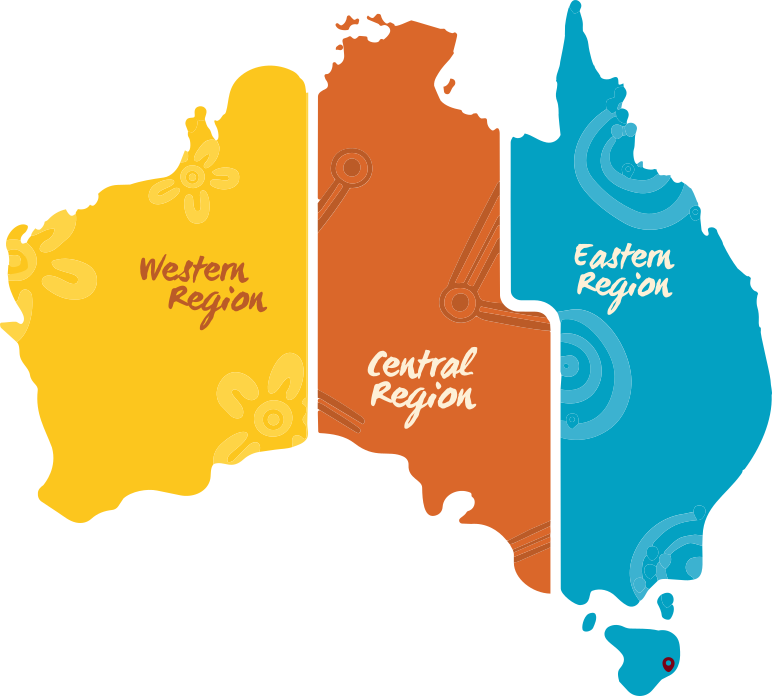
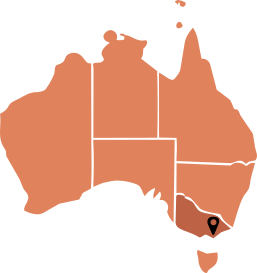
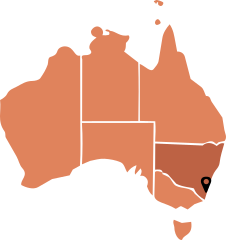
Map of Australia divided into Western, Central and Eastern regions, with pins marking the geographic communities we work with and where our Senior Community Development Officers are based.
Community voiceson National and Global stages
Through sharing our experiences at conferences, forums and international gatherings, we amplify the voices, priorities and solutions of Aboriginal and Torres Strait Islander communities. These opportunities create spaces to exchange knowledge, build relationships and ensure that community-led approaches inform broader conversations, while bringing valuable insights and learnings back to strengthen the work we do alongside communities.
United Nations
Through our engagement with United Nations initiatives, we elevated the voices, knowledge and priorities of Aboriginal and Torres Strait Islander communities in global conversations on peacebuilding, climate action and Indigenous rights. We contributed to the development and launch of the Muscat...
Women Deliver
At the Women Deliver Conference in Naarm (Melbourne), we amplified the voices, experiences and leadership of Aboriginal and Torres Strait Islander women on a global stage. Through our sessions, Building Together: Women, Communities and Self-Determined Pathways for Change and Yarning...
AIATSIS
At the 2026 AIATSIS Summit, we shared practical examples of how Aboriginal and Torres Strait Islander communities are leading change through community governance, decision-making and evaluation. Through presentations on Indigenous-led grant redistribution and our Right Way...
volunteersMaking a difference
Strong, enduring relationships are at the core of Community First Development's volunteer program. In FY26, 258 skilled volunteers contributed 4,306 hours across 165 placements, sharing their expertise while building meaningful connections with First Nations communities. Equivalent to 2.2 years of full-time work, this contribution grew substantially from last year and reflects the generosity, commitment and mutual learning that underpin our volunteer model. Nearly one-third of volunteers have been involved for more than a decade, highlighting the lasting relationships that continue to strengthen our work together.
“Volunteering with Community First Development has had a meaningful impact on me personally. It has helped me sharpen my existing skills while also deepening my understanding of the issues and opportunities facing First Nations communities. Engaging directly with the work has broadened my perspective and strengthened my commitment to contributing in a thoughtful and informed way.”
Rogier Voorhoeve (Volunteer)
Active Volunteer Survey Snapshot
Our FY26 biennial Volunteer Survey highlights the strength of Community First Development’s volunteer program. Volunteers reported feeling well supported and prepared, valued the flexibility of the model, and described gaining meaningful insights into First Nations cultures, histories and experiences through their participation.
“My ability to think from diverse perspectives improved.”
100% Agreed
“My knowledge and understanding of first Nations culture, histories and experience has improved.”
100% Agreed
“My confidence in addressing racism in my community or networks has increased.”
90% Agreed
4,306 4,306Volunteer hours contributed
Looking ahead
Advancing Indigenous-led Grantmaking
Indigenous-led grantmaking is grounded in trust, self-determination and genuine community decision-making. It recognises that First Nations communities are not simply recipients of funding, but leaders who are best placed to identify priorities, opportunities and pathways for change.
This year, Community First Development took an important step towards that future through our Indigenous-Led Fund (ILF) Small Grants Trial. The trial reaffirmed principles that have guided our work for more than two decades: communities know what is needed, where opportunities exist and how meaningful change can be achieved.
Through engagement, yarning and relationship-based conversations, the trial explored what a truly community-led grantmaking process can look like. Communities valued the opportunity to shape and co-design the process, highlighting the importance of flexibility, face-to-face engagement and funding approaches that reflect First Nations ways of working.
Feedback consistently showed that reducing traditional grantmaking restrictions enabled communities to focus on priorities that were genuinely community identified and community led.
The trial demonstrated that grantmaking built on relationships, cultural integrity and trust can create more effective and respectful outcomes than traditional funding models. It also highlighted the significant opportunity to shift decision-making closer to communities, ensuring resources are directed by those with the deepest understanding of local aspirations, strengths and challenges.
As our Chief Executive Officer, Steph Harvey, reflects:
"I think Indigenous-Led Funds are a critical bridge between communities and mainstream philanthropy."
Looking ahead, Community First Development sees Indigenous-led grantmaking as a natural extension of community-led development and a powerful pathway to deep, lasting and whole-of-community outcomes. When communities have both a voice and influence over resources, stronger and more sustainable futures can be shaped by community aspirations, leadership, culture and self-determination.
Supporting Community Aspirations
The priorities identified by communities this year tell a consistent story. For First Nations communities, economic development is about more than generating income. It is about strengthening self-determination, building local leadership, supporting cultural continuity and creating pathways for future generations to thrive.
These priorities have remained consistent over time and reinforce what communities continue to tell us: they want greater control over their futures and the tools to turn their aspirations into reality.
Business and strategic planning (20%) and support to diversify resources through grant and tender development, fundraising and mentoring (22%) remained the most requested areas of support.
Together with strengthening governance (10%) and website development and training (12%), these projects reflect communities' determination to build strong organisations, grow local economies and create opportunities on their own terms.
As we look ahead, Community First Development will continue to walk alongside communities as they pursue their economic, social and cultural development aspirations. By supporting community-led planning, strong governance and sustainable resource development, we will continue to back the vision, leadership and ingenuity already present in Aboriginal and Torres Strait Islander communities across Australia.
Community Testimonials
"The highlight of this project was successfully laying a strong foundation that will support everything we build moving forward. With this solid base in place, we’re now positioned to move ahead with greater confidence, efficiency, and creativity. This achievement marks an exciting turning point for our team and sets us up for continued growth and innovation”.
“This project has given us a stronger foundation and clear direction for the future. Our Strategic Plan provides a pathway for us to strengthen our governance, build the organisation and move towards delivering meaningful support and opportunities for Aboriginal people families and communities”.
Thank You & Acknowledgements
We’re so thankful that this year 10,686 donors generously gave 61,337 gifts to enable First Nations’ people to undertake projects that prioritised community goals including economic and business planning, cultural preservation and learning, education, and health.
Our work is only possible because of the generous support of our partners, donors, philanthropic trusts and foundations, federal government funding and corporate bodies. We receive much-needed funding and in-kind support from a range of organisations.
10,686
10,686 Donors in FY26
61,337
61,337 Gifts given
Our funders and partners
Join Us in Backing Community-Led Change
We back the aspirations of First Nations peoples. To learn more about our work or to learn more about how you can support us to advance Aboriginal and Torres Strait Islander self-determination, contact us at:
Community First Development is committed to strong governance, accountability and responsible stewardship of the resources entrusted to us. Information regarding our governance arrangements, annual financial statements and regulatory reporting is publicly available through the Australian Charities and Not-for-profits Commission (ACNC (opens in a new tab)).